Our online courses

Free Courses
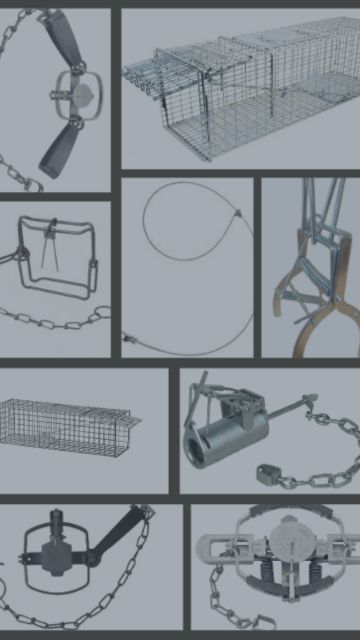
Safe Use Of traps in the wildlife control industry
This course provides a comprehensive foundation in the safe, legal, and ethical use of traps within the wildlife control industry. Designed for both new and experienced professionals, the training emphasizes responsible practices that prioritize human safety, animal welfare, and legal compliance. Participants will explore how to select the appropriate trap based on species, location, and regulations, along with methods for assessing the environment to determine safe and effective trap placement. The course also covers safe handling procedures to prevent injury to the operator, non-target species, and the public. Students will gain the knowledge and confidence to approach trapping tasks with professionalism and care. By the end of this course, participants will be equipped to make informed decisions that align with best practices and industry standards.
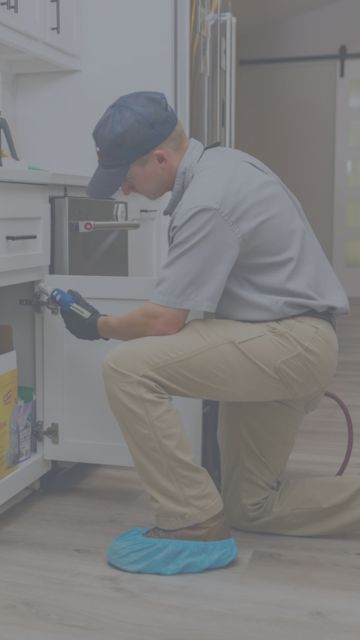
things to consider before adding wildlife control to your existing pest control business
This course is designed for pest control operators who are considering expanding their services to include nuisance wildlife control. While the two industries share similarities, wildlife work introduces new challenges, regulations, and service protocols that must be understood to ensure compliance and long-term success. Participants will learn about necessary equipment, and pricing models specific to wildlife control. The course also addresses key differences in training, technician roles, legal boundaries, and customer expectations. Special attention is given to the business and operational shifts required to integrate wildlife services into an existing pest control model. By the end of the course, operators will have a clear understanding of how to enter the wildlife control space strategically—minimizing risk, maximizing opportunity, and positioning their business for responsible, sustainable growth.

Transitioning from a fur trapper to a wildlife control operator
This course is specifically designed for experienced trappers looking to transition into the professional wildlife control industry. It provides a structured pathway to adapt traditional fur trapping skills into a modern, service-based model that emphasizes customer interaction, legal compliance, and humane animal handling. Participants will explore the key differences between recreational trapping and contracted nuisance wildlife removal, including state regulations, business operations, safety standards, and ethical considerations. The course also addresses the expectations of residential and commercial clients, focusing on communication, documentation, and professionalism in the field. By the end, students will understand how to offer trapping services in a way that meets the needs of today’s customers and regulatory bodies—while leveraging their existing field skills to deliver results, solve problems, and grow a sustainable wildlife control business.
Affordable Courses

Become a csr superstar
This course is designed to equip customer service representatives (CSRs) in the wildlife control industry with the skills and mindset needed to thrive in their role. Through targeted training in communication, scheduling, and conflict resolution, CSRs will learn to confidently manage a variety of client interactions—from initial inquiries to service complaints. Emphasis is placed on professionalism, empathy, and the ability to build trust with callers while guiding conversations toward successful outcomes. Participants will also gain strategies for handling objections, knowing when to escalate issues, and maintaining composure under pressure. By the end of the course, CSRs will be prepared not just to answer the phone, but to act as valuable brand representatives who improve office efficiency, foster positive client experiences, and directly contribute to company growth and service success.

Precision with Caution:
Safe Shooting in Sensitive Settings
This course provides wildlife control professionals with specialized training in the safe and ethical use of firearms in sensitive or high-risk environments. Participants will learn how to properly assess surroundings, identify potential hazards, and evaluate backstops and shooting angles to prevent harm to people, pets, or property. The course emphasizes legal compliance at the local, state, and federal levels, and guides professionals on how to obtain proper permissions and operate within regulatory boundaries. Through practical scenarios and best practices, this training builds the confidence and judgment needed to make critical decisions in confined or populated spaces—helping professionals minimize liability while upholding safety, ethics, and professionalism in the field.

Introduction to metal bending- wildlife exclusion methods with common hand tools
This hands-on course introduces participants to the fundamentals of bending and shaping sheet metal for wildlife exclusion work using simple, affordable hand tools. Designed for field technicians and operators, it focuses on practical, real-world techniques that allow for the creation of effective, custom-fit barriers without the need for expensive equipment. Participants will learn how to work with coil stock, cut and form bends, reinforce vulnerable access points, and fabricate solutions that withstand animal pressure and weather exposure. Whether sealing gaps around roofs, soffits, vents, or foundations, the skills taught in this course empower professionals to deliver clean, durable, and discreet exclusion work. Ideal for those looking to improve job efficiency, reduce callback rates, and elevate the professionalism of their wildlife control service offerings.